Filter Replacement:
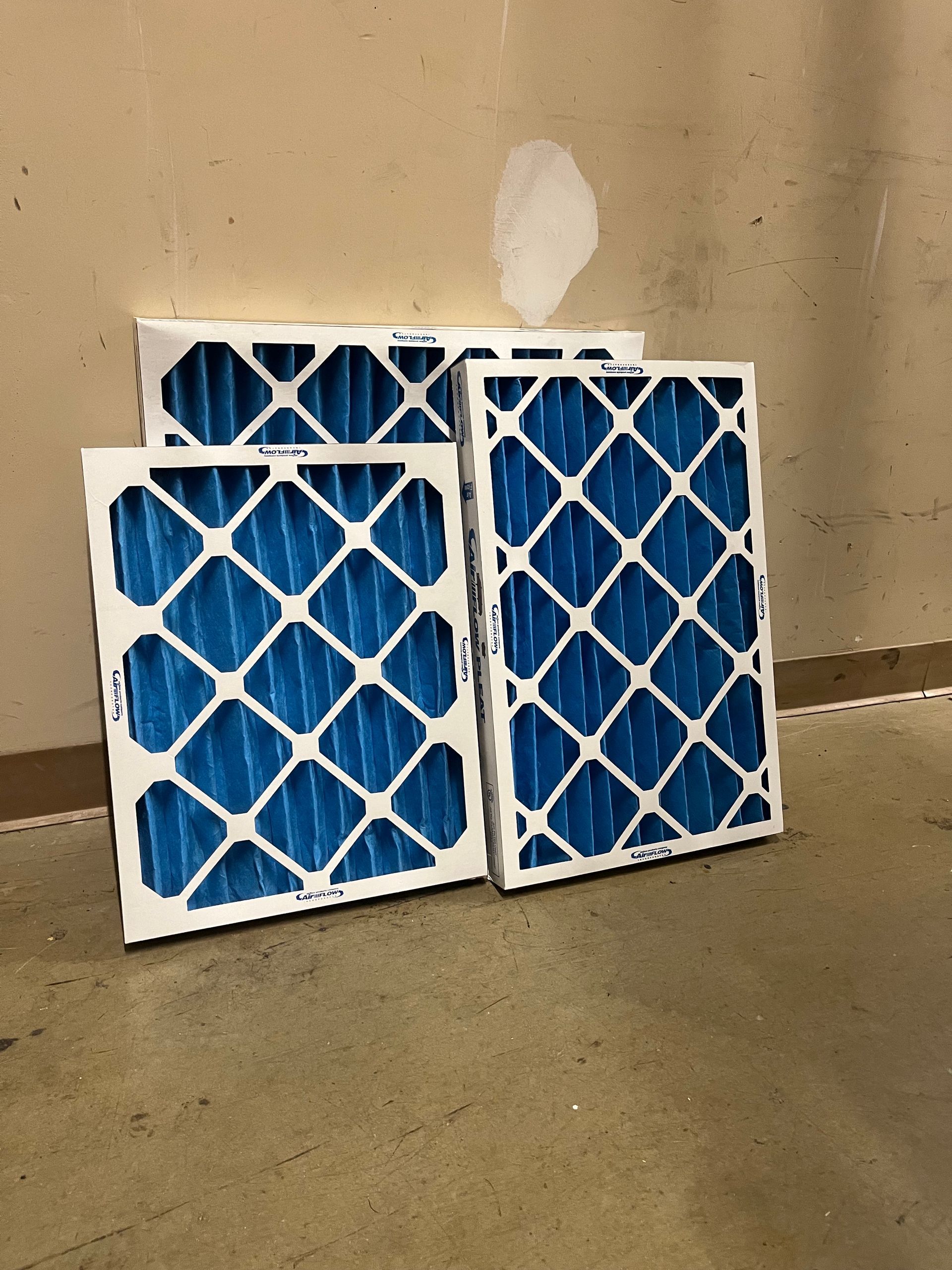
Regularly swapping out air filters isn't just a "best practice"—it's a critical maintenance task that directly impacts your bottom line and the health of everyone in the building. Whether it’s a massive Roof Top Unit (RTU) or a smaller exhaust fan, a clogged filter is essentially a chokehold on your HVAC system.
Here is why regular replacement is non-negotiable:
1. Energy Efficiency and Cost Savings
When a filter is loaded with dust and debris, the system has to work significantly harder to pull air through the media. This increases static pressure, forcing motors to draw more electricity to maintain the same airflow.
- The Impact: A clean filter can reduce energy consumption by 5% to 15%. Over a year in a commercial setting, that equates to thousands of dollars in utility savings.
2. Protecting the Equipment (Asset Longevity)
Dirt is the leading cause of HVAC failure. When airflow is restricted:
- Evaporator Coils: In RTUs, low airflow can cause coils to freeze over because they aren't absorbing enough heat from the air.
- Heat Exchangers: In heating mode, restricted airflow can lead to overheating and cracked heat exchangers—a major safety hazard and an expensive repair.
- Motors: The extra strain leads to premature motor burnout and belt wear.
3. Indoor Air Quality (IAQ)
The primary job of the filter is to capture particulates (dust, pollen, mold spores, and bacteria).
- Bypass: Once a filter is completely saturated, "blow-by" can occur, where air forces its way around the edges of the filter frame, sending unfiltered pollutants directly into the building.
- Odors and Health: In exhaust fans, particularly in kitchens or laboratories, old filters can become a breeding ground for odors and moisture, leading to mold growth within the ductwork.
4. System Balance and Airflow
Commercial buildings rely on specific pressure balances (positive or negative pressure) to keep the environment stable.
- Exhaust Fans: If an exhaust fan filter is clogged, it can’t remove stale air or fumes effectively. This can lead to "sick building syndrome" or, in kitchen environments, a dangerous buildup of heat and grease vapors.
- Supply Air: If the RTU can't push enough fresh air in, the building may become "negative," causing doors to whistle or be hard to open, and pulling unconditioned air in through every crack in the windows and doors.
Belt Replacement:
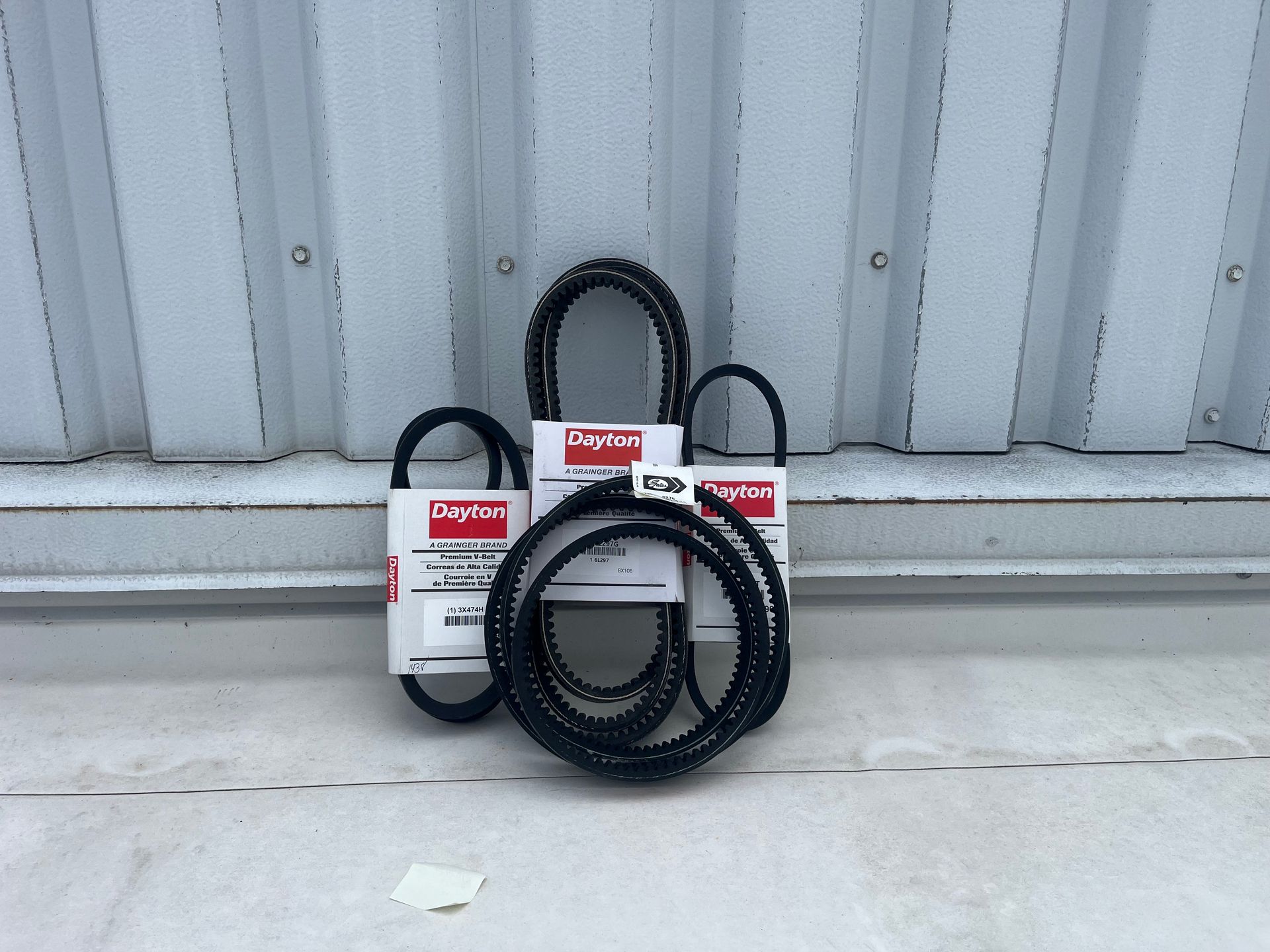
If air filters are the "lungs" of your HVAC system, then the drive belts are the tendons. They are responsible for the literal heavy lifting—transferring power from the motor to the fan.
In a commercial setting, these belts often run 24/7. Neglecting them is a recipe for a "no-cooling" emergency call at the worst possible time. Here is why regular inspection and replacement are vital:
1. Preventing Unexpected Downtime
This is the most obvious reason. A snapped belt on an RTU or exhaust fan means the system stops immediately.
- The Domino Effect: In a commercial kitchen, a broken exhaust fan belt means the hoods stop working, smoke fills the kitchen, and you may have to shut down operations for the day.
- The Cost: A belt usually costs $10–$50. An emergency after-hours technician visit to replace that same belt can cost $300–$600.
2. Maintaining Design Airflow
Belts don't just "break"; they wear down and stretch over time.
- Slippage: As a belt wears or stretches, it loses its grip on the pulleys (sheaves). This slippage means the fan isn't spinning at the RPM it was engineered for.
- Loss of Capacity: Even a 3% to 5% slippage can significantly reduce the amount of air being moved through the building, leading to "hot spots" or poor ventilation.
3. Protecting Bearings and Motors
The tension of the belt is a "Goldilocks" situation:
- Too Loose: The belt slips, creates friction, and generates intense heat. This heat can transfer down the shaft and cook the grease out of your motor and fan bearings, leading to a much more expensive bearing failure.
- Too Tight: This puts "side-load" pressure on the motor and fan bearings, essentially grinding them down prematurely.
4. Energy Efficiency
- A slipping belt is wasted energy. The motor is drawing full power to spin, but because of the slip, that energy is being converted into heat and noise rather than moving air. Keeping belts properly tensioned and replaced ensures the motor doesn't have to work harder than necessary to meet the building's demand.
Grease/Lubrication:
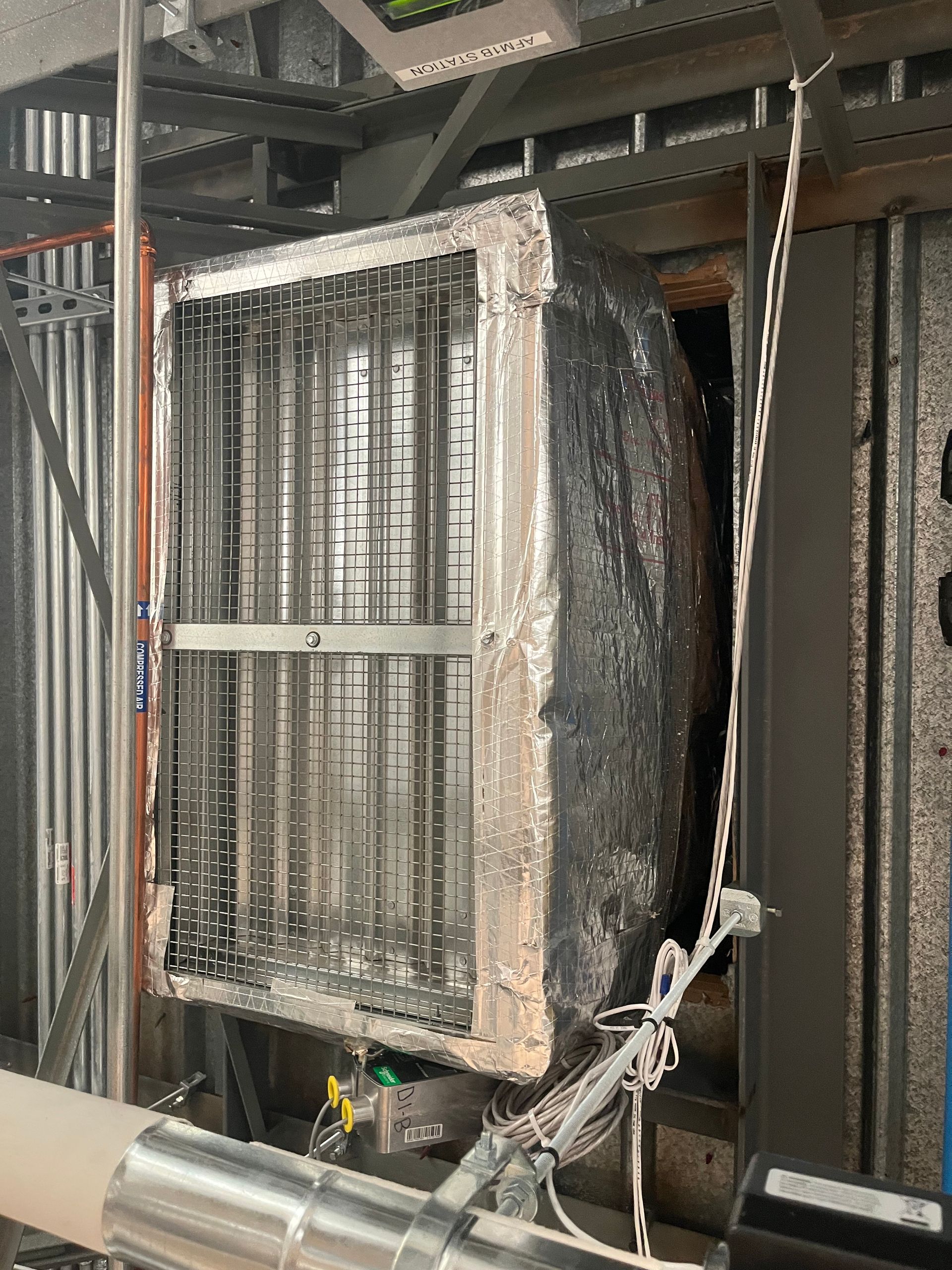
Greasing bearings is the HVAC equivalent of staying hydrated—if you skip it, everything eventually seizes up. In a commercial air handler, the bearings support the fan shaft as it spins at high speeds for thousands of hours a year.
Without a thin film of lubricant, you're looking at metal-on-metal contact, which leads to a very expensive "rapid unscheduled disassembly."
Here is why regular lubrication is critical:
1. Friction and Heat Management
The primary job of grease is to create a microscopic barrier between the rolling elements (balls or rollers) and the race of the bearing.
- The Physics: Without grease, friction generates intense heat. This heat causes the metal to expand, which further increases friction in a "death spiral" until the bearing weld-shuts or shatters.
- The Result: Properly greased bearings run significantly cooler, extending the life of both the bearing and the fan shaft.
2. Sealing Out Contaminants
Commercial air handlers are often located in dusty mechanical rooms or on rooftops.
- The Shield: Grease doesn't just lubricate; it acts as a physical seal. A properly "purged" bearing (where a small amount of grease is visible at the seals) prevents dust, moisture, and corrosive particulates from entering the precision-machined internal components.
- Corrosion Prevention: Grease contains rust inhibitors that protect the high-carbon steel from pitting caused by humidity or condensation.
3. Energy Efficiency
A bearing that is running "dry" or is gummed up with old, oxidized grease creates mechanical drag.
- The motor has to work harder to overcome this resistance, which increases your amperage draw.
- While the savings on a single bearing might seem small, across a large facility with dozens of air handlers, the energy waste adds up to a noticeable spike in the utility bill.
4. Avoiding the "Bearing Swap" Nightmare
Ask any HVAC technician: they would rather grease a bearing 100 times than replace one once.
- Labor Intensity: Replacing a bearing often requires pulling the entire fan shaft, removing pulleys, and using heavy-duty pullers. It can turn a 10-minute maintenance task into an 8-hour repair job.
- Cost: A tube of high-quality lithium grease costs about $15. A new shaft and set of pillow-block bearings for a large air handler can cost thousands in parts and labor.
Coil Cleaning:
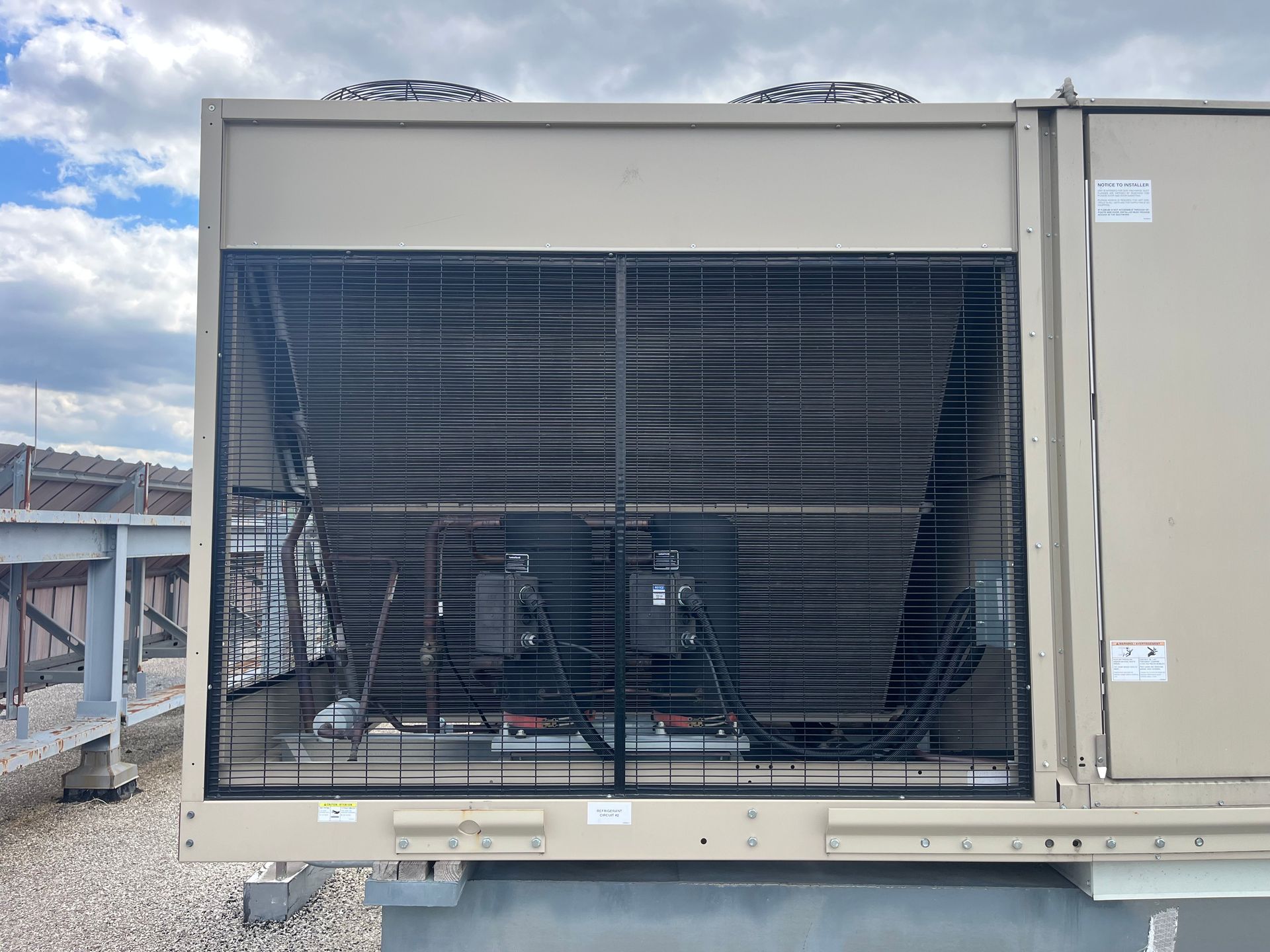
Coils are where the "magic" of heat transfer happens. If they are dirty, your HVAC system isn't actually air conditioning—it’s just a very expensive, very loud box of fans.
In a commercial system, you're dealing with two different types of coils, and each has its own reasons for needing a deep clean.
1. Condenser Coils (The Outdoor/Heat Rejection Side)
The condenser coil’s job is to take the heat gathered from inside your building and dump it into the outside air.
- The "Insulation" Problem: Dirt, pollen, and "cottonwood" fluff act like a thermal blanket. Even a thin layer of dust prevents the refrigerant from shedding its heat.
- Compressor Stress: When the heat can't escape, the head pressure inside the system skyrockets. The compressor has to work significantly harder to pump the refrigerant against that pressure. This leads to high electricity bills and, eventually, a "cooked" compressor.
- Capacity Loss: A dirty condenser can easily lose 30% or more of its cooling capacity. Your 20-ton unit might only be providing 14 tons of cooling because it simply can't get rid of the heat fast enough.
2. Evaporator Coils (The Indoor/Heat Absorption Side)
The evaporator coil is where the refrigerant absorbs heat from your building's air. It is usually cold and damp, which presents a different set of problems.
- Airflow Restriction: These coils have very fine fins. Because they are often wet with condensation, they act like a magnet for any dust that makes it past your filters. This creates a "mat" of debris that chokes off airflow.
- The "Ice Block" Effect: If the coil is dirty, the refrigerant can't absorb enough heat from the air. The coil temperature drops below freezing, the condensation turns to ice, and soon you have a literal block of ice inside your air handler that completely blocks all airflow.
- Biological Growth (IAQ): The dark, damp environment of an evaporator coil is the perfect breeding ground for mold, mildew, and bacteria. This can lead to "Dirty Sock Syndrome" (a foul odor) and significant Indoor Air Quality issues for tenants.
Unit Cleaning:
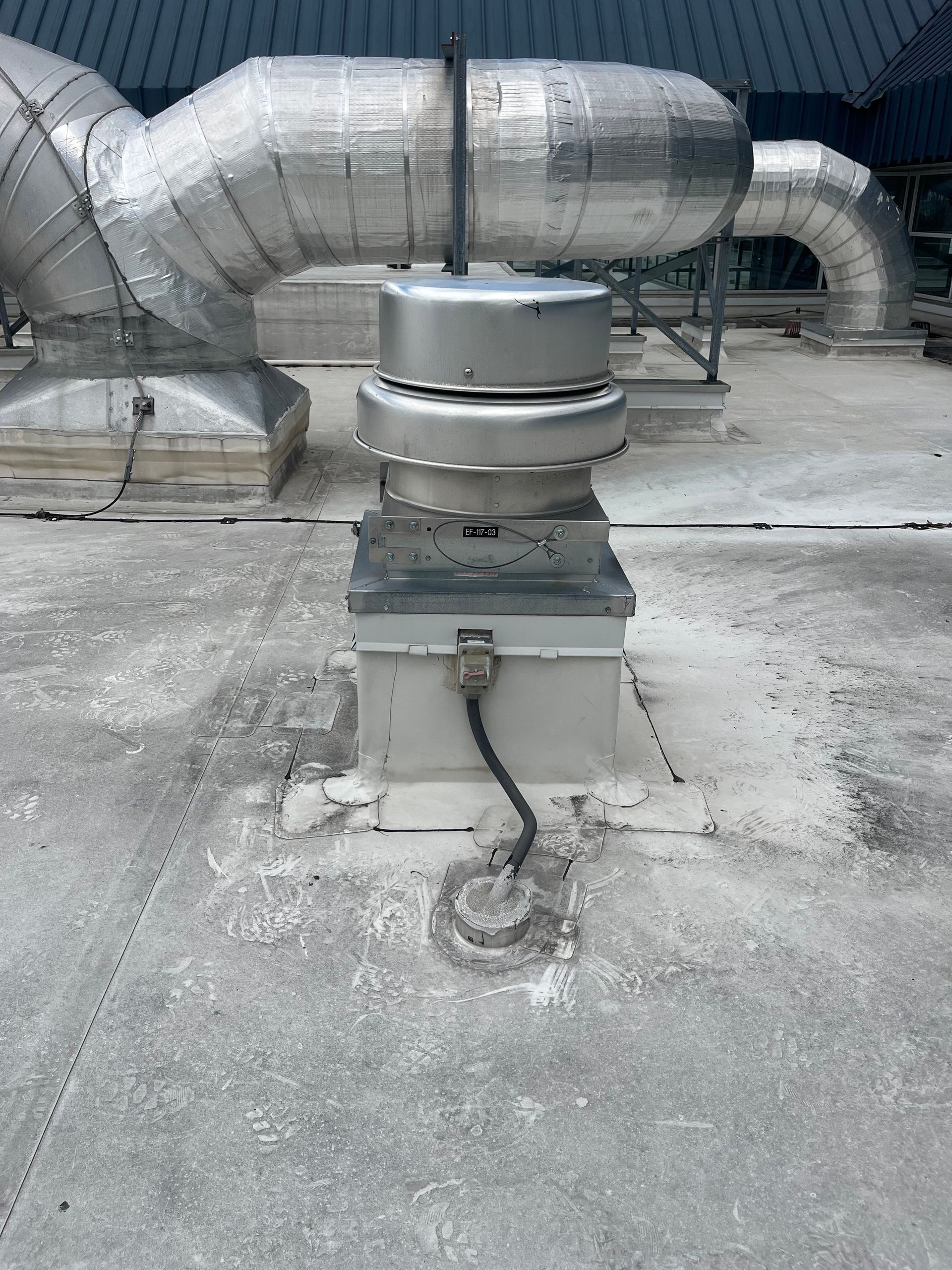
Cleaning the entire housing of your air handlers, RTUs, and exhaust fans—not just the individual parts—is about maintaining the "environment" the equipment lives in. If the cabinet is a mess, the components inside will never stay clean or functional for long.
Here is why a "top-to-bottom" cleaning is essential for your facility:
1. Fire Prevention (Especially Exhaust Fans)
For exhaust fans, particularly in kitchens or industrial settings, regular cleaning is a matter of life and safety.
- The Fuel: Grease, lint, and combustible dust accumulate on the fan blades and inside the housing.
- The Spark: If a motor overheats or a belt snaps and creates a spark, that buildup acts as tinder.
- The Result: Fire can travel through the ductwork in seconds. Regular degreasing and cleaning are often mandated by local fire codes (like NFPA 96).
2. Preventing "Sick Building Syndrome"
The interior of an air handler or RTU can become a biological "petri dish."
- The Drain Pan: This is the most ignored part of a unit. If it’s filled with sludge and stagnant water, it becomes a breeding ground for mold, algae, and Legionella.
- Odors: "Dirty Sock Syndrome" isn't just about the coils; it’s often caused by bacteria growing on the damp insulation or bottom of the unit cabinet.
- Downstream Contamination: Any dust sitting in the cabinet eventually gets picked up by the airflow and sent straight to the occupants' desks.
3. Protecting Structural Integrity (Water Damage)
Commercial RTUs live on roofs, and air handlers are often in mechanical rooms above expensive equipment or offices.
- Clogged Drains: Dirt and debris in the unit eventually wash into the condensate drain line. When that line clogs, the water backs up, overflows the pan, and leaks into the building.
- Corrosion: Stagnant water and wet debris sitting on the metal floor of a unit will eventually eat through the cabinet, leading to air leaks and structural failure of the housing.
4. Visibility for Inspections
You cannot fix what you cannot see.
- A layer of grime can hide refrigerant leaks (which often look like oily spots), hairline cracks in the heat exchanger, or fraying wires.
- Keeping the unit "surgical" allows a technician to spot a minor $50 problem before it turns into a $5,000 catastrophic failure.
Unit Inspections:
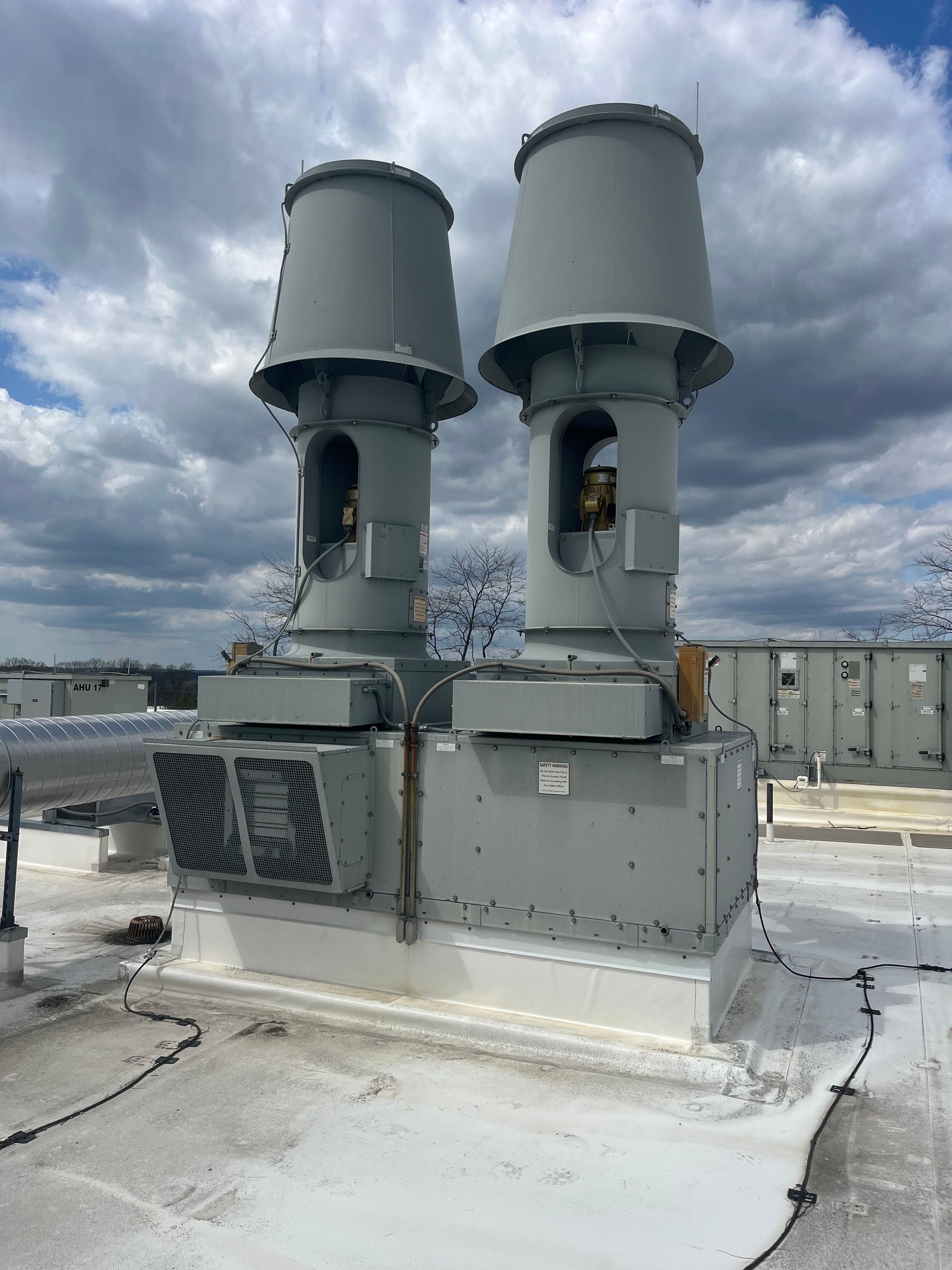
Regularly inspecting your air handlers, RTUs (Rooftop Units), and exhaust fans is the difference between managing a facility and chasing a crisis.
While cleaning and part replacement are the "actions," the inspection is the "intelligence" that tells you what to do and when. Here is why a formal inspection routine is the backbone of facility management:
1. The "1-10-100" Rule of Costs
In the maintenance world, there is a common financial principle:
- $1 spent on a regular inspection catches a loose bolt.
- $10 is spent on a scheduled repair to replace the bearing that bolt was holding.
- $100 is spent on an emergency replacement of the entire fan shaft and motor when it catastrophically fails on a Sunday afternoon. Regular inspections allow you to stay in the "$1 zone" by identifying minor wear before it causes a chain reaction of damage.
2. Identifying Hidden Safety Hazards
Many HVAC components are "out of sight, out of mind," but they can harbor significant risks that only an inspection will reveal:
- Electrical Failures: Inspections catch charred wires, loose connections, or "pitted" contactors. These are leading causes of electrical fires in commercial buildings.
- Gas Leaks: For gas-fired RTUs, inspecting the heat exchanger for cracks is a life-safety requirement. A crack can leak carbon monoxide directly into the building's air stream.
- Structural Integrity: RTUs are heavy and sit on "curbs" on the roof. Inspections ensure the roof seals aren't leaking and that the unit hasn't shifted, which could cause structural damage or water intrusion.
3. Maintaining "Building Balance"
Commercial buildings are complex pressure vessels. If you aren't inspecting the system as a whole, you might miss "ghost" problems:
- Exhaust vs. Intake: If an exhaust fan isn't inspected and is underperforming, the building can become over-pressurized, causing doors to "ghost" open or stay stuck shut.
- Dampers: Inspections ensure that outside air dampers are actually moving. If a damper is stuck closed, your building isn't getting fresh air; if it's stuck open, your utility bills will skyrocket as you try to condition 100% outside air.
4. Warranty and Compliance Documentation
If your equipment is under warranty, the manufacturer almost always requires proof of regular maintenance and inspection to honor a claim.
- The Paper Trail: Detailed inspection logs protect you. If a $10,000 compressor fails, the first thing the manufacturer will ask for is your maintenance history.
- Code Compliance: For certain industries (like healthcare or food service), regular inspections of exhaust and ventilation systems are a legal requirement for health and fire department certifications.